News ·
Microfocus gantry CT: bringing high-speed 3D inspection to the factory floor

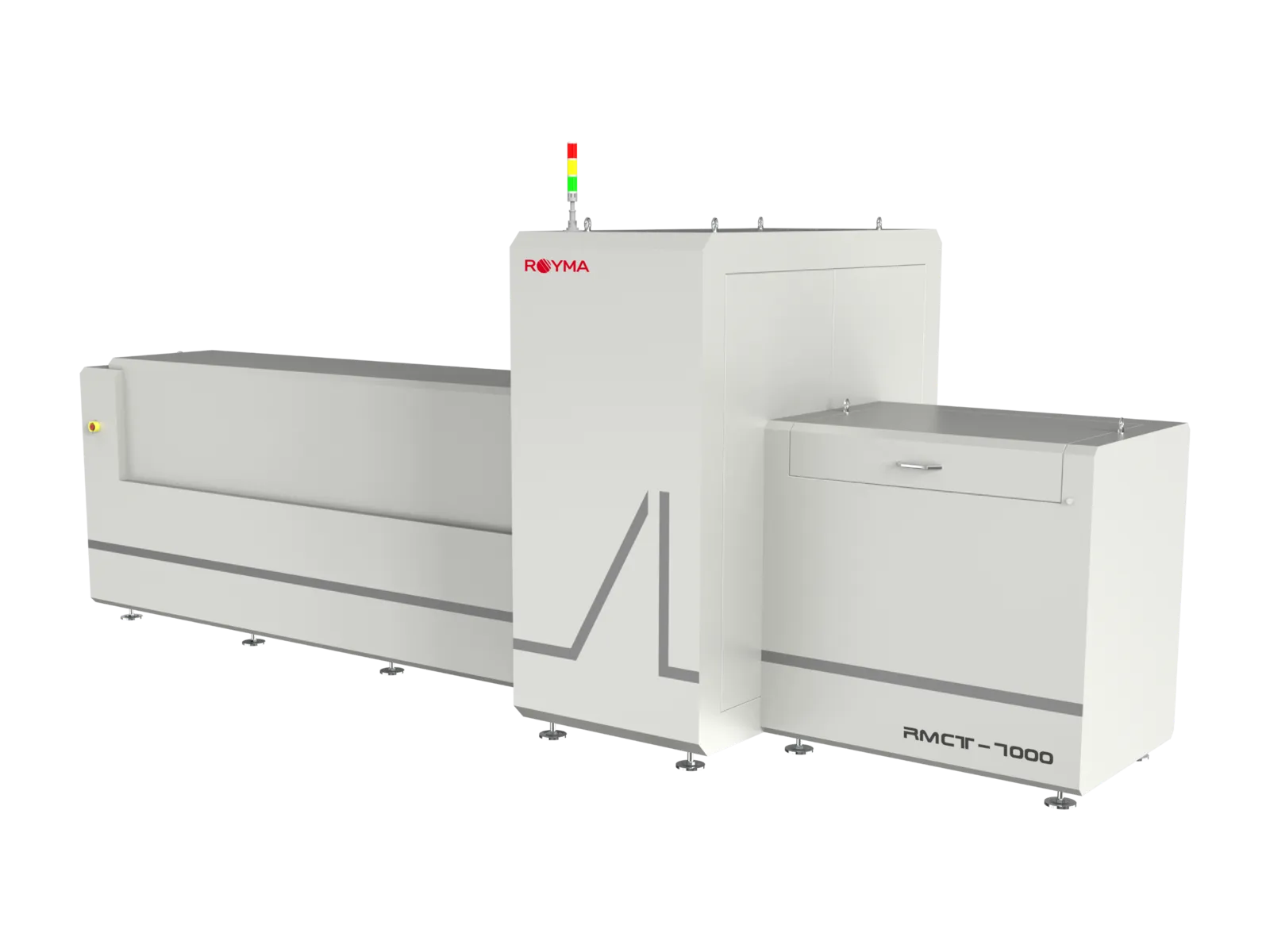
Royma’s microfocus gantry CT technology is expanding what industrial X-ray inspection can do, delivering fast, high-resolution 3D scans for applications ranging from battery modules to aerospace tubing and long additively manufactured parts. The technology was presented at the ECNDT conference in 2026 as an example of new innovation in the industrial CT space.
From hospitals to the shop floor
Gantry CT has been a trusted medical diagnostic technology for nearly fifty years, but it is only over the past two decades that industrial users have modified it and re-invented it for quality assurance. Its fast scanning speed makes it possible to run inspections directly on the shop floor in continuous three-shift, seven-day operation.
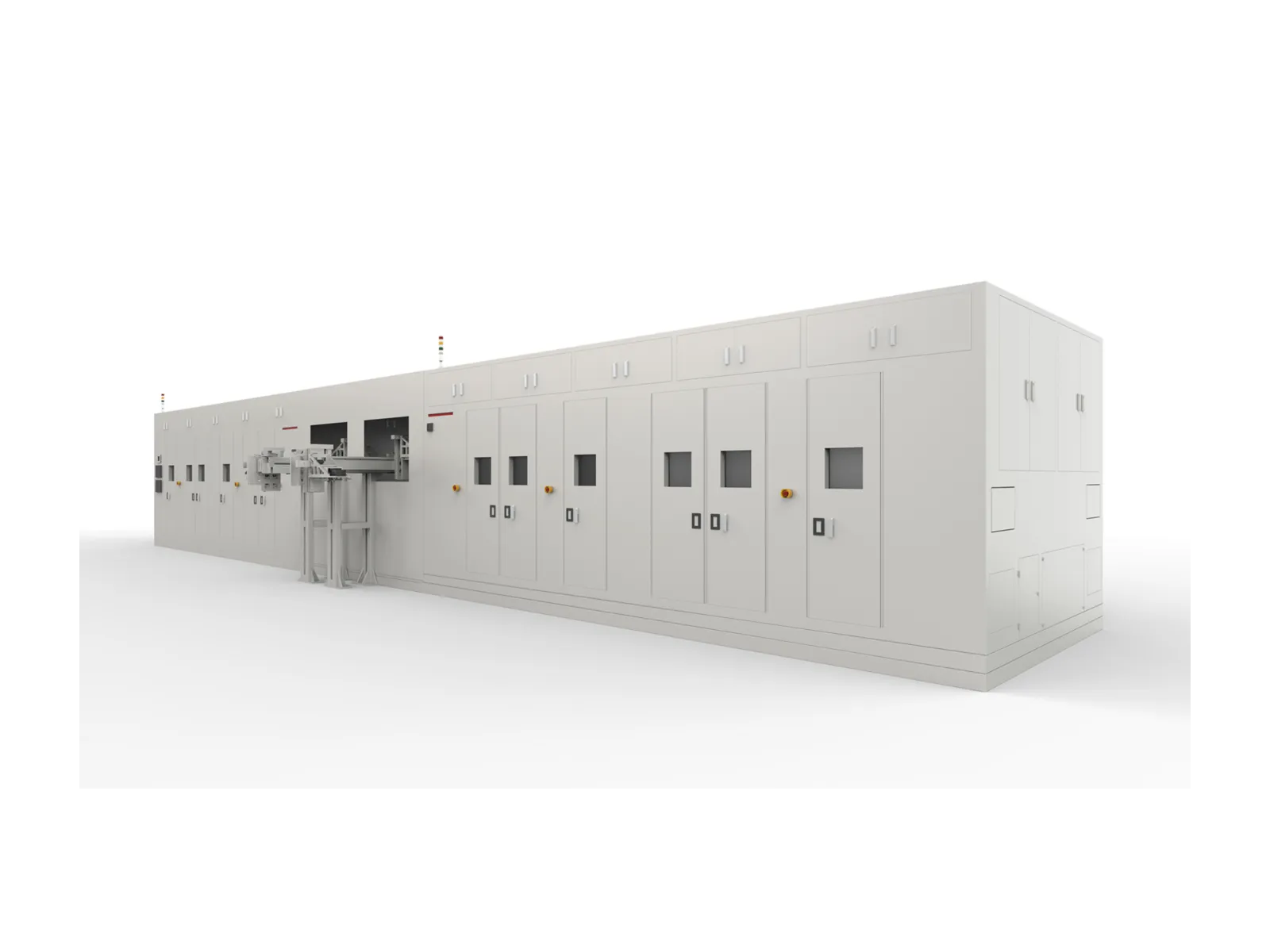
Today, gantry CT scanners are used across a striking range of applications, including aluminium castings and cylinder heads, batteries, geological core samples, polymeric workpieces, and objects several metres long. Gantry CT is the detection method of choice if samples have long geometries, unfit for traditional CT machines, or if they contain fluids, loose parts or other non-stationary objects that cannot be rotated, as is required in a traditional CT scan.
Microfocus technology pushes resolution further
Classical medical CT scanners are limited to defect detectability around 0.5 mm because of their high-tension, multiple linear detector array design capped at roughly 150 kV. Royma’s microfocus gantry CT systems overcome this limit by pairing microfocus X-ray sources with flat-panel detectors operating up to 200 kV, achieving resolutions and reproducibility in the 35–70 micrometre range or better, despite lower tube power than conventional systems.
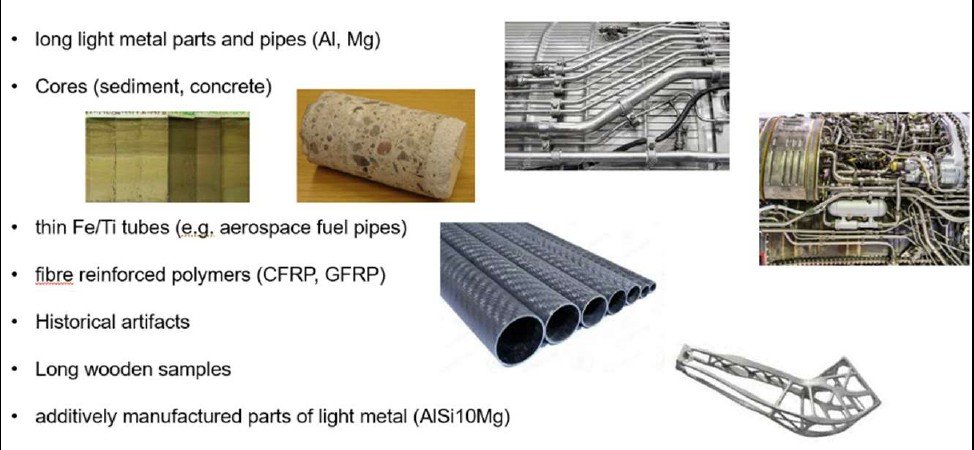
This leap in resolution opens the door to inspecting components that were previously too fine-grained for gantry-style scanning, including: pipes, cores, fuel pipes in aerospace applications, fibre-reinforced polymers, historical artefacts, long wooden samples and additively manufactured parts.
Moreover, electrode overhang in battery cells and glue surfaces in battery modules can be detected using this gantry CT.

Purpose-built for long and large objects
A key innovation is a motorised cabinet design created specifically for scanning long objects, allowing the gantry to move along a workpiece rather than requiring the whole piece to fit within a fixed scan volume. This is especially valuable for parts like extended CFRP components, where the system can perform precise internal distance measurements, or for elongated battery modules requiring detailed glue-bond inspection.
Real-world impact and what’s next
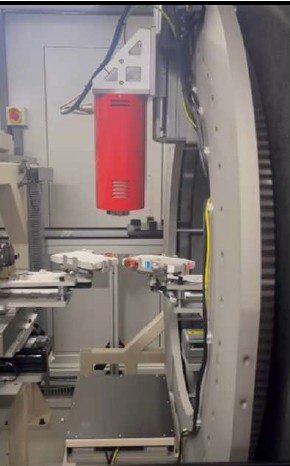
Case studies presented alongside the technology show its practical value: battery module glue inspections that reveal void or coverage issues invisible to the naked eye, and CFRP distance measurements accurate enough for demanding aerospace and automotive quality checks. While current microfocus gantry systems already outperform classical medical CT in resolution and application range, the development team sees continued room for improvement as they work to broaden the technology into even more industrial and research settings.
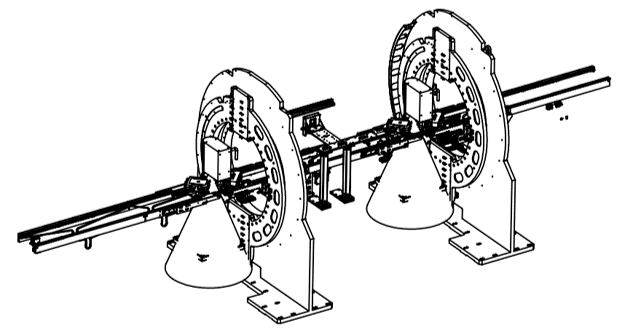
Especially inline CT scenarios, with high required precision, throughput and requirements for stationary samples during inspection, build a great application case for gantry CT. Therefore production of modern LFP cells has been a major field for this new technology.