Applications
Automotive.
From casting to battery pack.
Inspection tasks
From casting to battery pack.
The vehicle combines structural castings, power electronics and battery systems. One technology checks them all: porosity and wall thickness, connectors, cells and modules.
Castings and housings
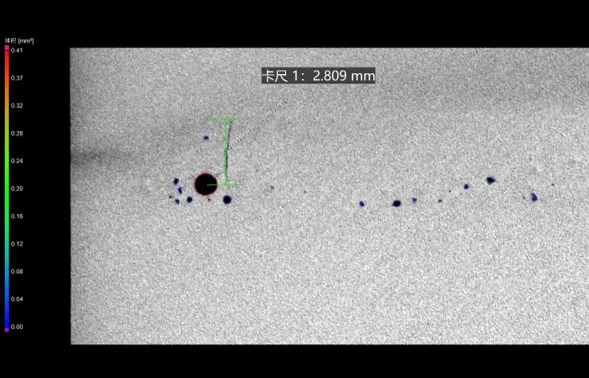
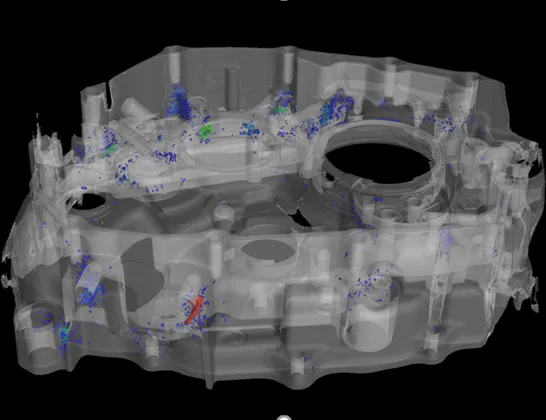
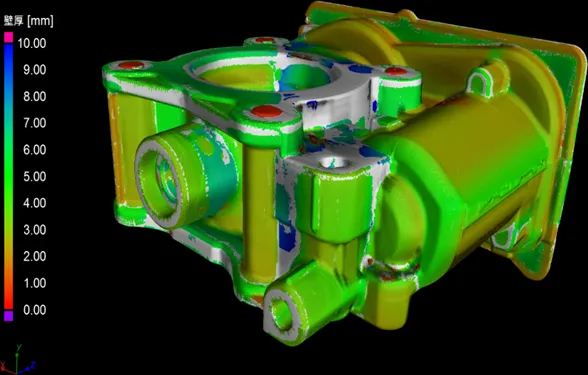
Porosity, shrinkage and wall-thickness deviation in housings and structural castings, evaluated across the whole part.
Connectors and electrical parts
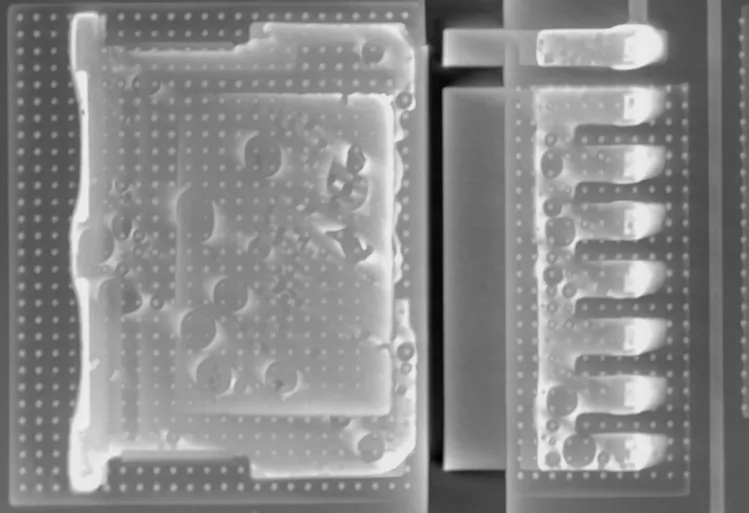
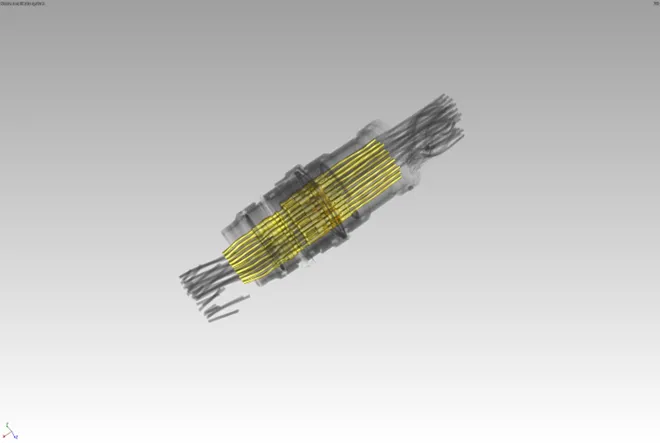
Pin position, crimps and conductors are checked inside the overmoulded or assembled part.
Cells, modules and packs
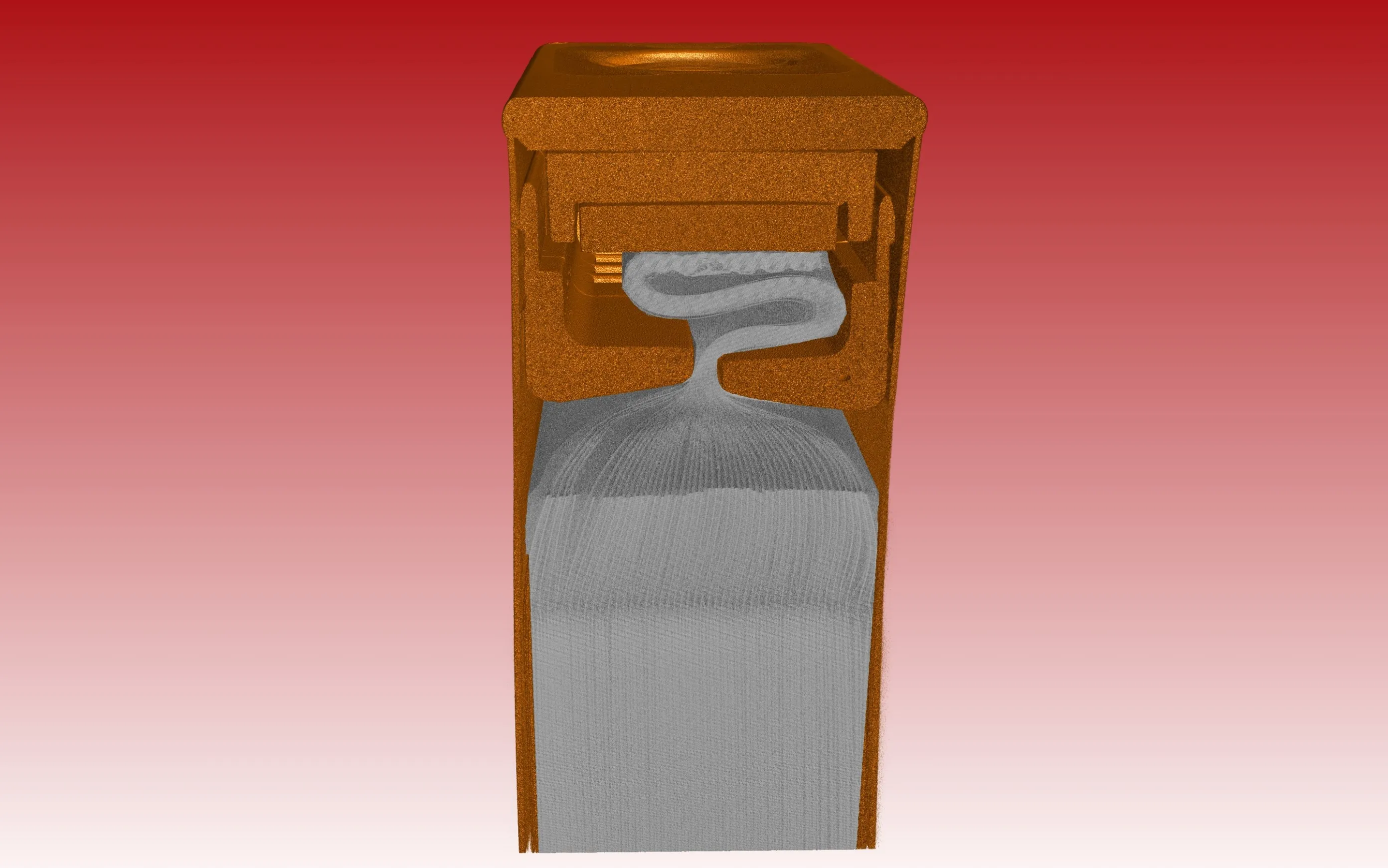
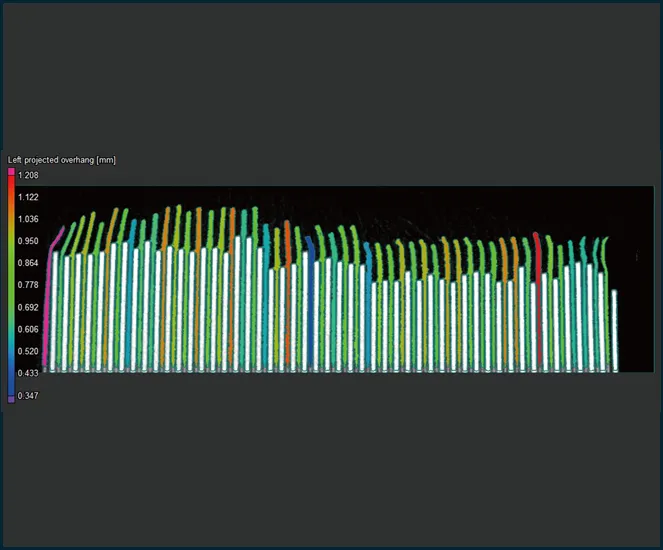
Electrode overhang in the cell, connections and foreign bodies in the module, in the laboratory and inline.
Scan examples
What the data shows.
Systems
One inspection method across the vehicle.
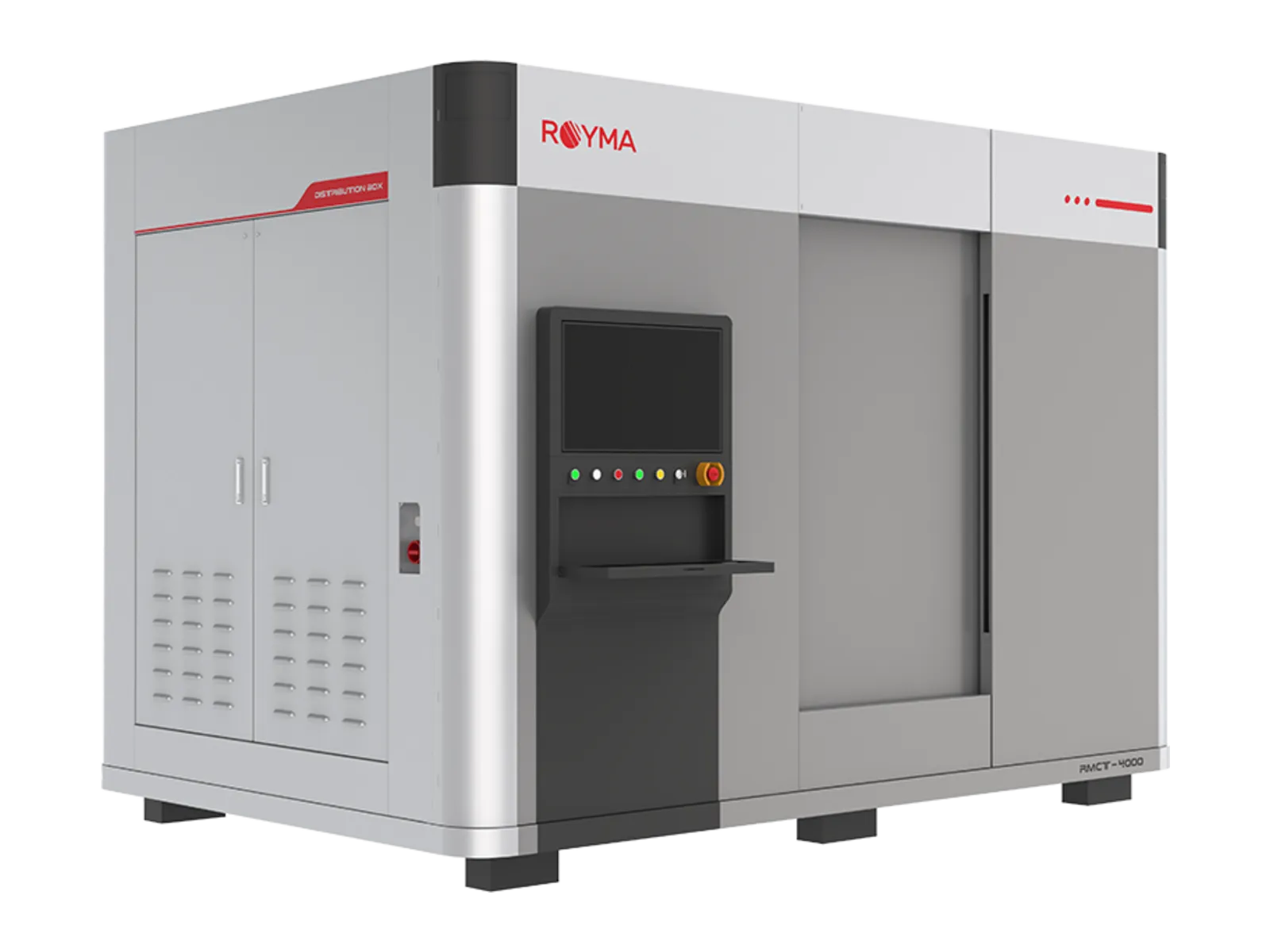
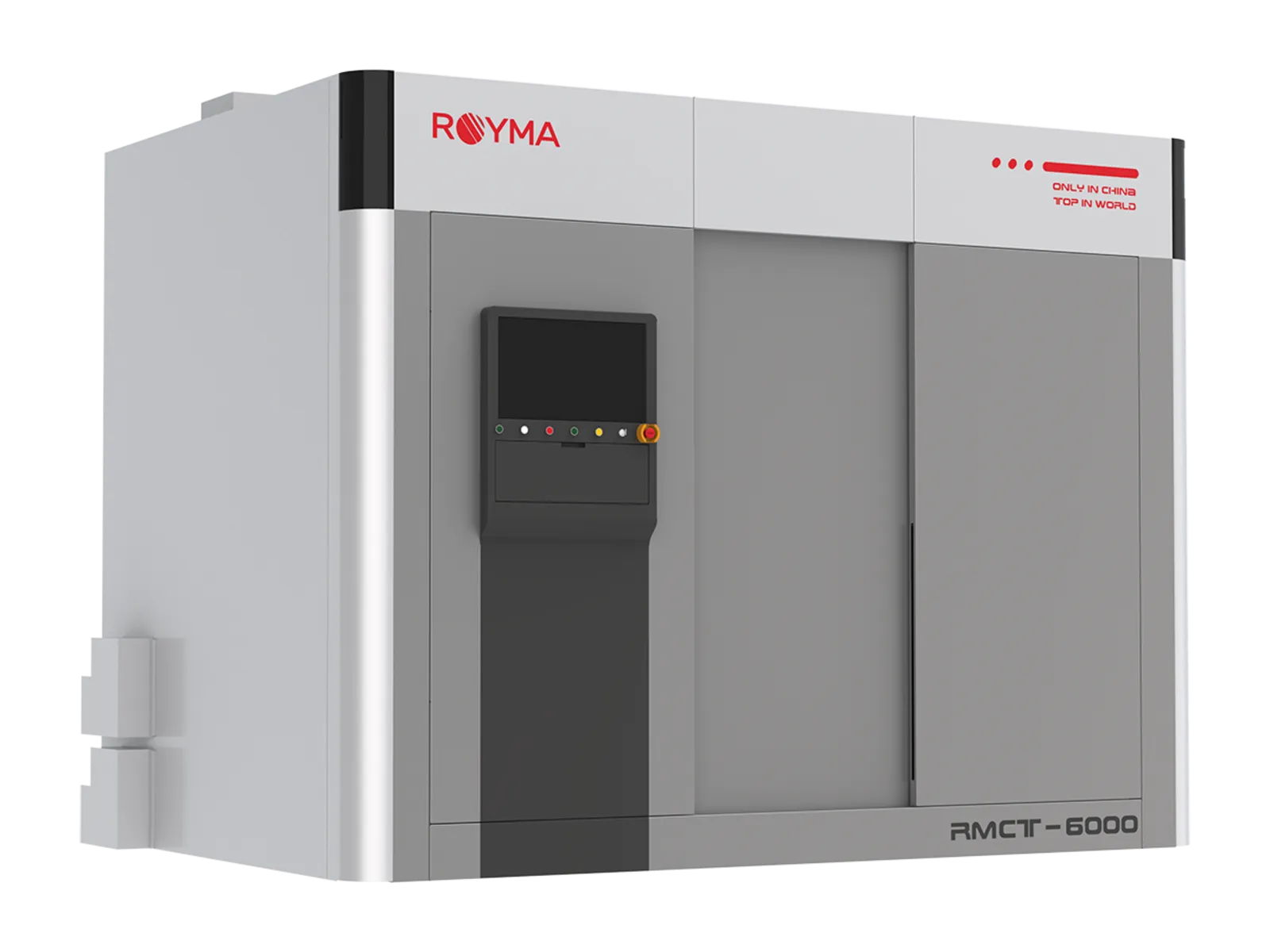
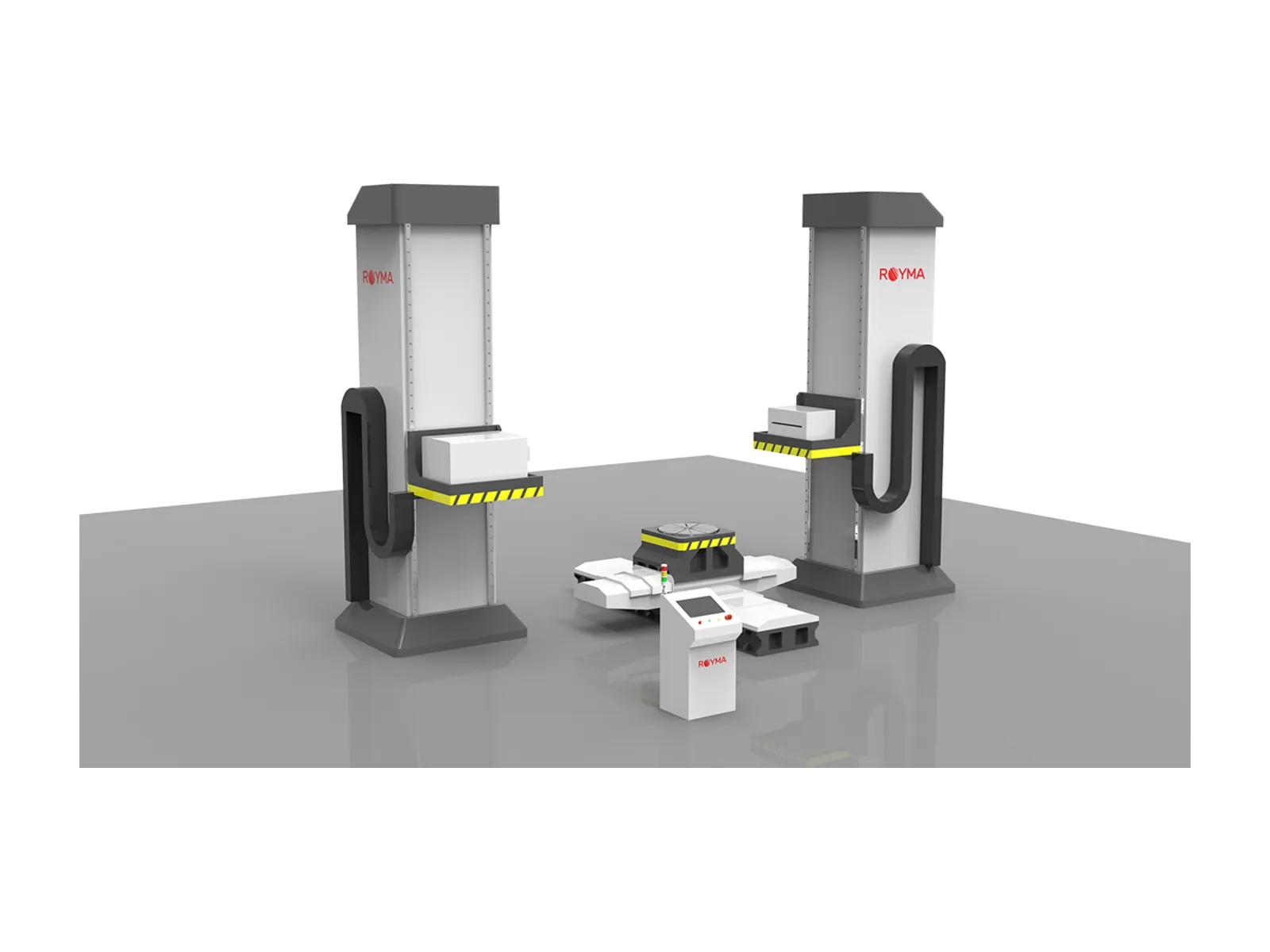
Royma offers CT for the parts that vehicle manufacturers and their suppliers inspect most: structural and housing castings, power electronics, connectors, and the cells, modules and packs of the battery system. The RMCT4000 and RMCT6000 scan castings and housings in the laboratory with microfocus and mini-focus sources up to 600 kV; the RMCT10000 scans large castings, thick sections and complete packs with a 1 to 9 MeV linear accelerator and loads up to 1000 kg.
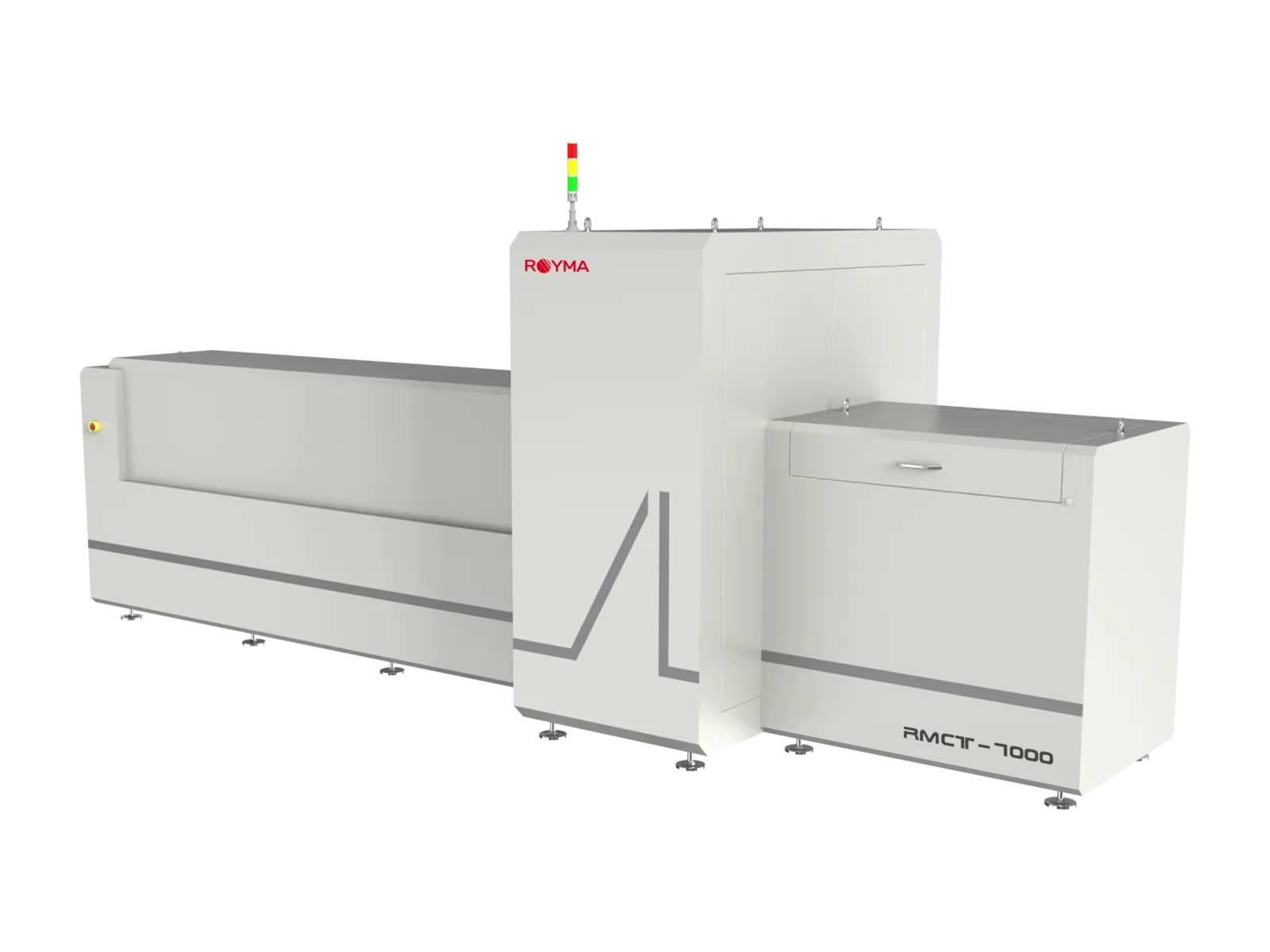
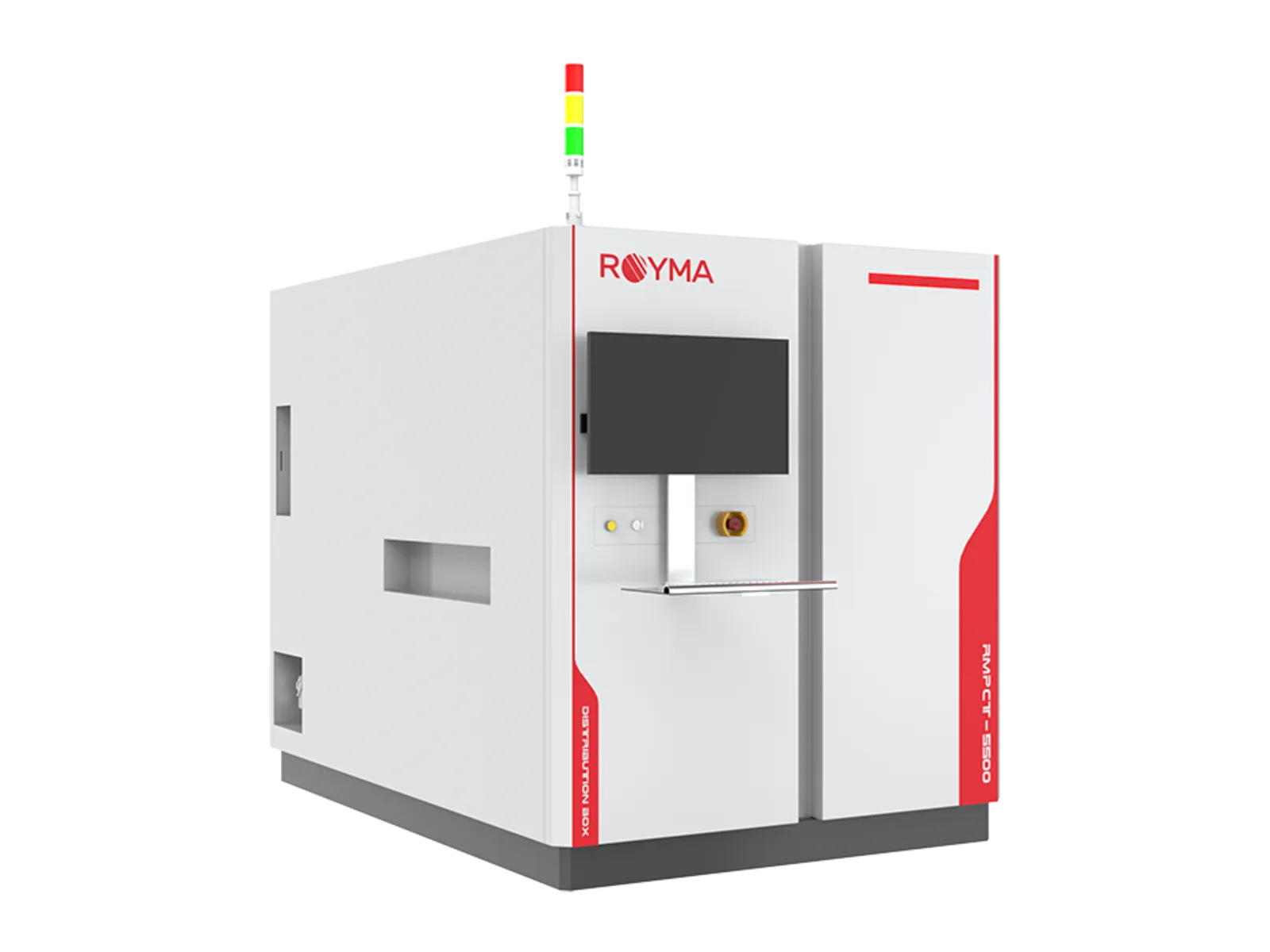
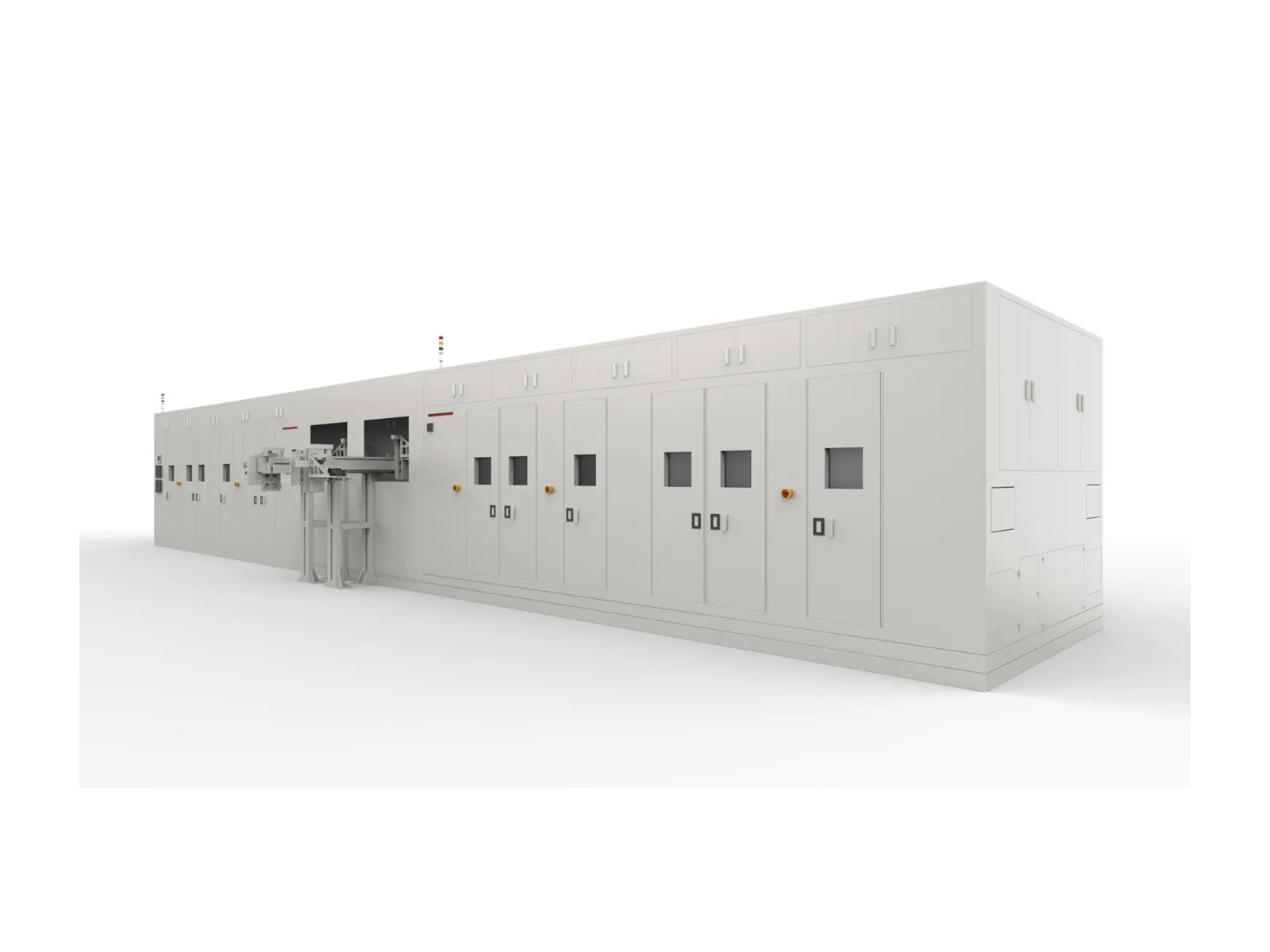
For the battery line, the RMLCT7500 inspects every prismatic cell inline in 3D with a corner scan of 4 to 8 seconds, and the RMCT7000 gantry CT scans modules lying flat, up to 2000 × 420 × 160 mm as standard. Power electronics and control boards are scanned layer by layer on the RMPCT5500. Suppliers gain one supplier of inspection systems for the foundry, the electronics line and the battery plant, with the same analysis software and the same reporting.
The result in every case is measured data on the whole part: porosity per zone and wall thickness on a casting, void fraction per joint on a board, overhang per layer on a cell, each compared with the limits agreed for the part.
In practice
From PPAP sample to running series.
At sample approval the CT volume documents geometry, wall thickness and porosity in one scan, and the nominal-actual comparison shows where the tool or the process is corrected. In series production a saved recipe evaluates samples or every part the same way and reports against the agreed limits, so drifts are seen as trends.
Battery results are written to the cell and module record and passed to the line controller as a pass or fail decision; casting and electronics results are stored per serial number. Royma Europe carries out test scans on customer parts before a system is specified.
Suppliers who inspect several part families gain from the shared software: the operator who evaluates castings in the morning evaluates connectors in the afternoon with the same tools, and the reports follow the same format for every customer audit.
Questions
Questions about CT for automotive.
- Can one system inspect castings and battery modules?
- The RMCT6000 scans dense castings and battery modules in the laboratory; the RMCT10000 covers large castings and complete packs. For inline cell inspection the RMLCT7500 is the dedicated system.
- Which system for connectors and overmoulded parts?
- The RMCT4000 for laboratory inspection of pin position, crimps and inserts; the RMX3000 and RMPCT5500 for boards and connectors in the line.
- How does CT support the PPAP or first-article report?
- One scan delivers the dimensional comparison with the CAD model, the wall-thickness map and the porosity evaluation, stored with the scan parameters so the report can be reproduced.
- Does Royma offer inline CT for battery cells?
- Yes. The RMLCT7500 inspects prismatic cells at line speed, the RMCLT1850 cylindrical and button cells, and the Quick CT works at the line with manual loading.
News