
Applications
Archaeology.
Inside the object, untouched.
Inspection tasks
Inside the object, untouched.
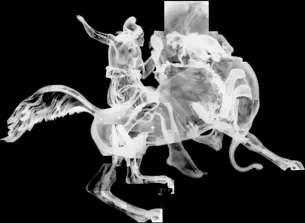
Objects of cultural value cannot be opened. X-ray and CT show construction, earlier repairs and hidden contents, and leave the object as it was.
Construction
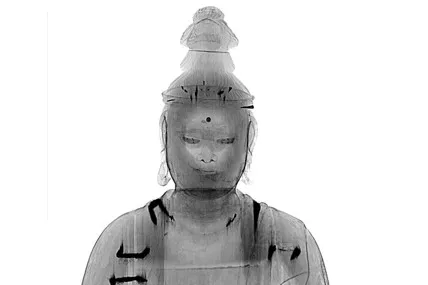
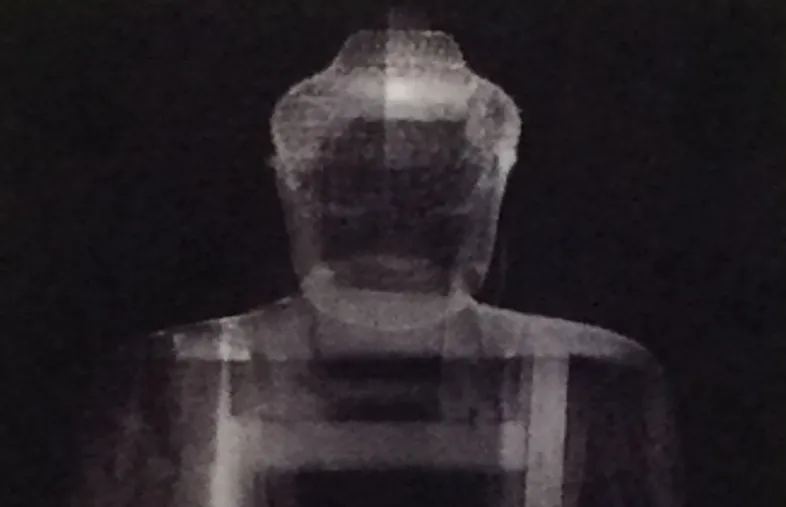
Joints, cores, dowels and casting technique become visible and show how an object was made.
Condition and restoration
Cracks, cavities and earlier restorations are documented before conservation work begins.
Hidden contents
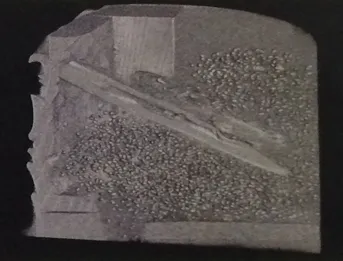
Closed vessels, soil blocks and hollow sculptures are examined without opening them.
Scan examples
What the data shows.
Systems
Non-destructive by definition.
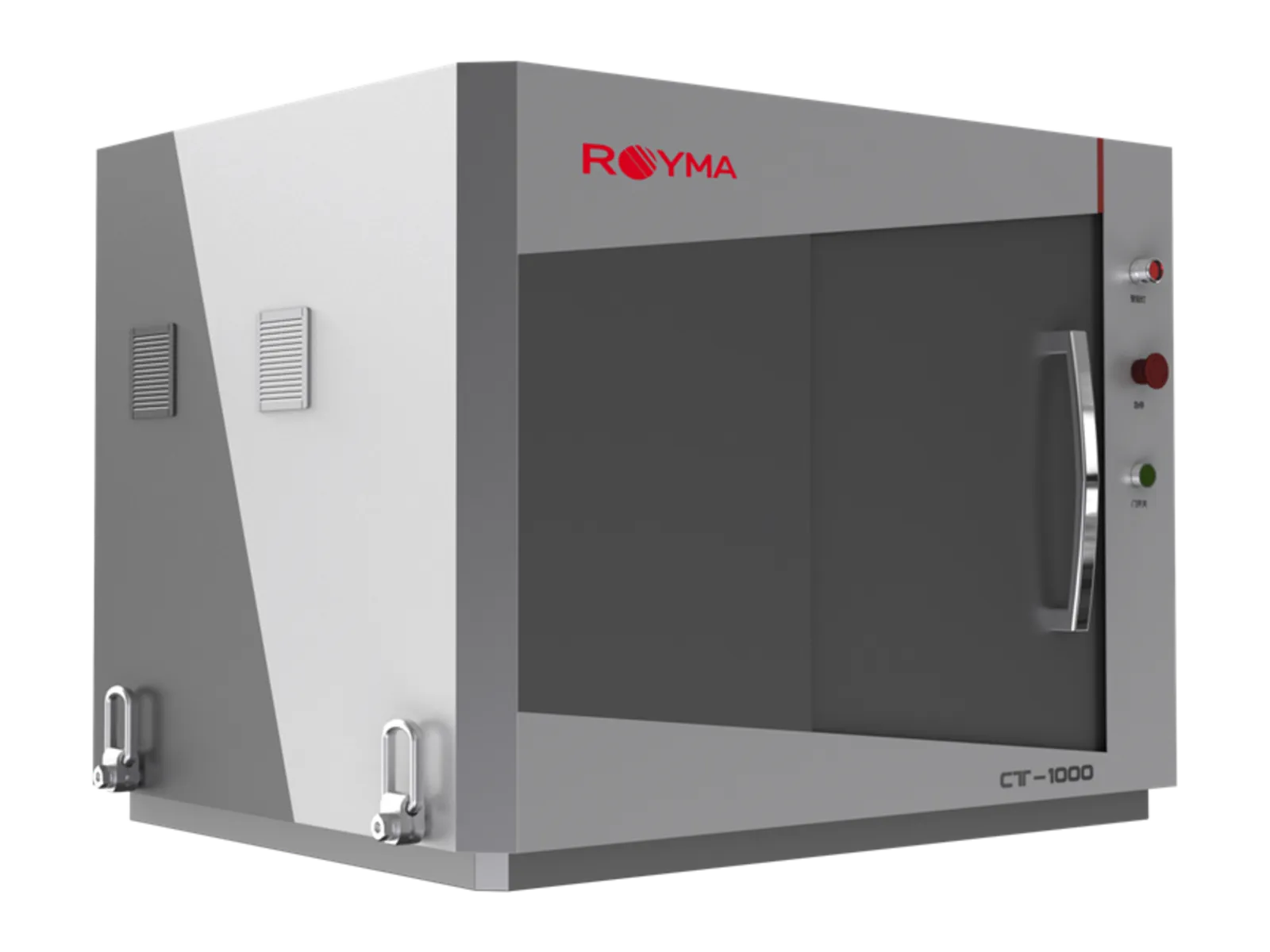
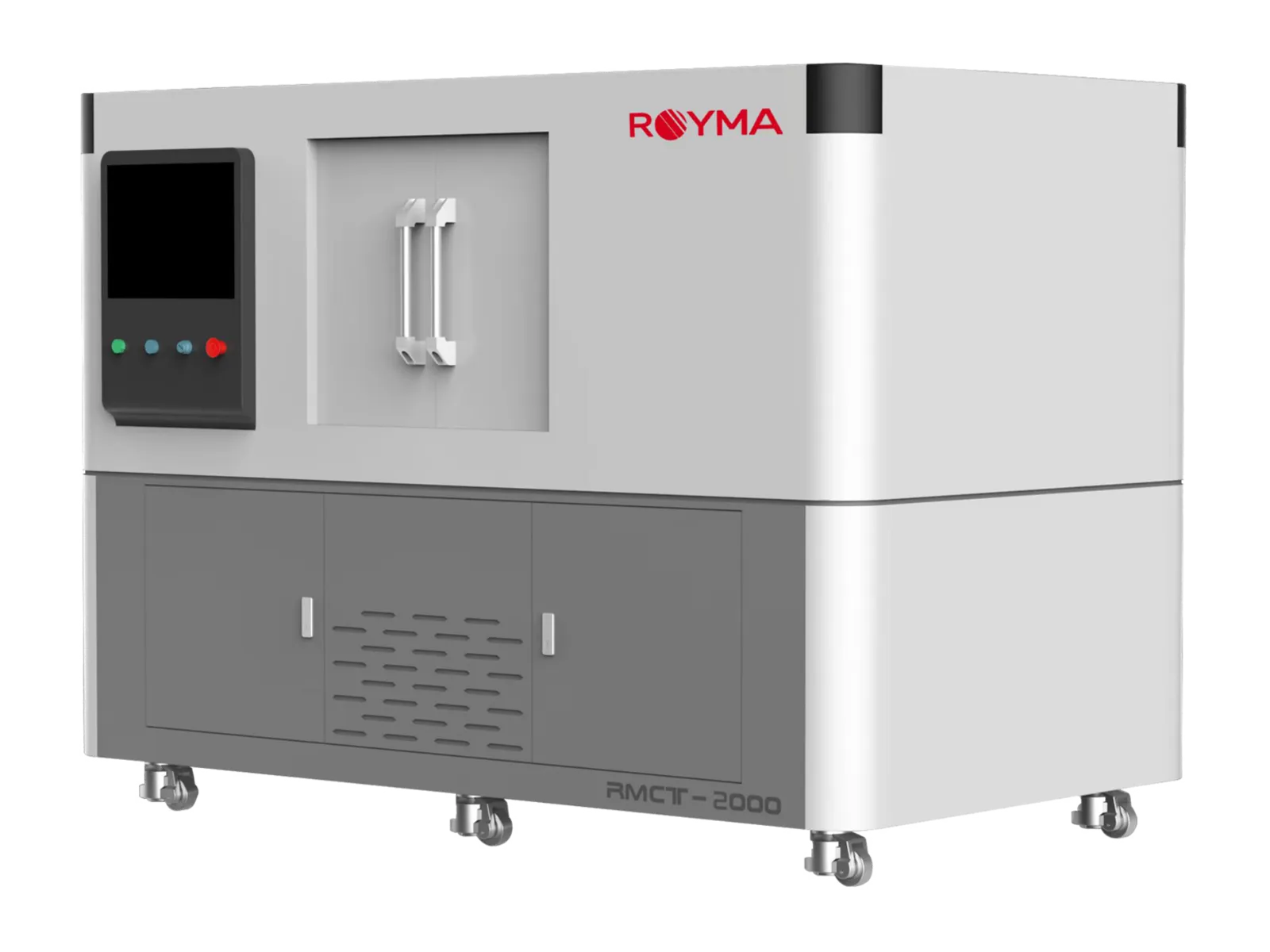
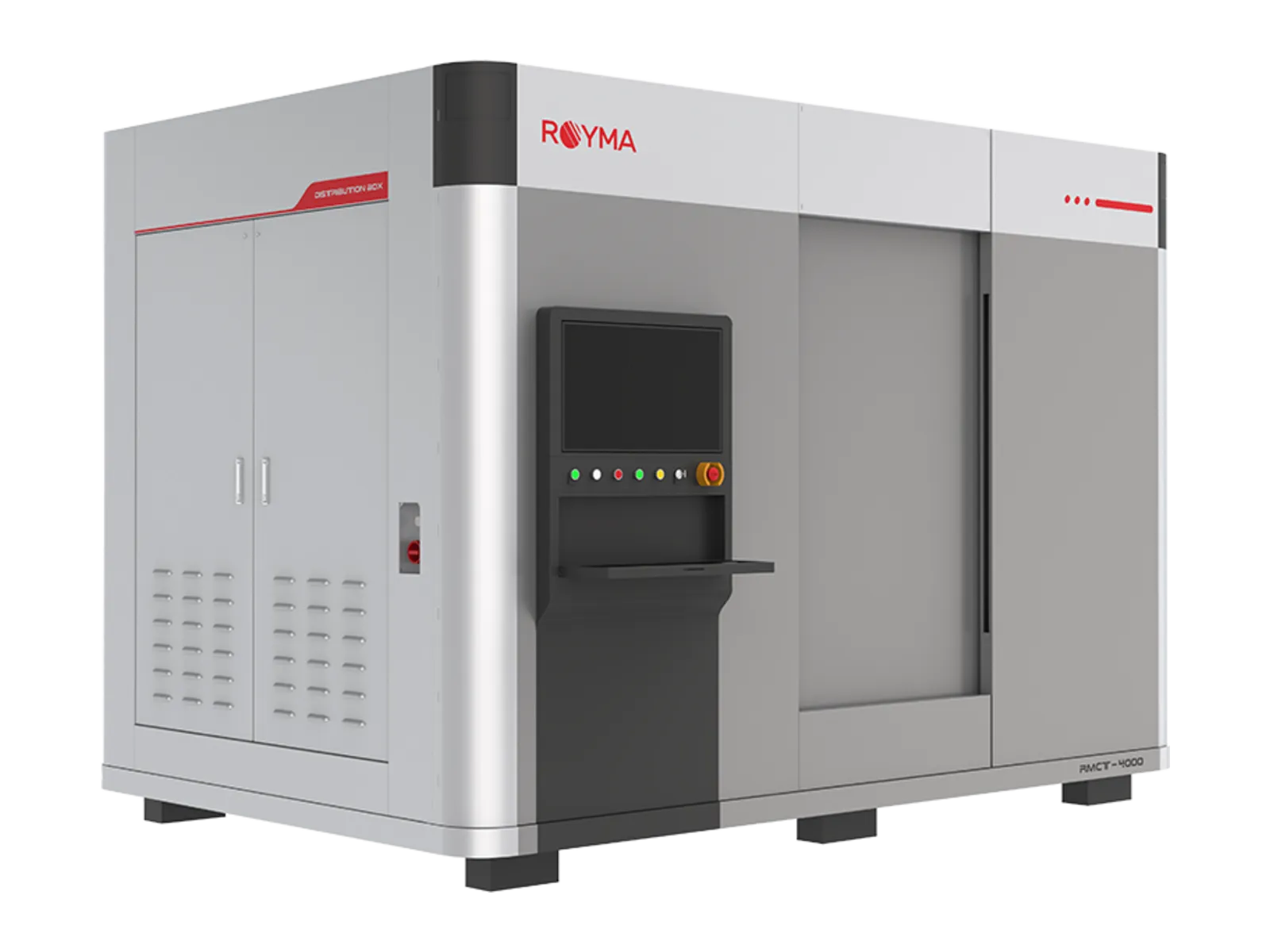
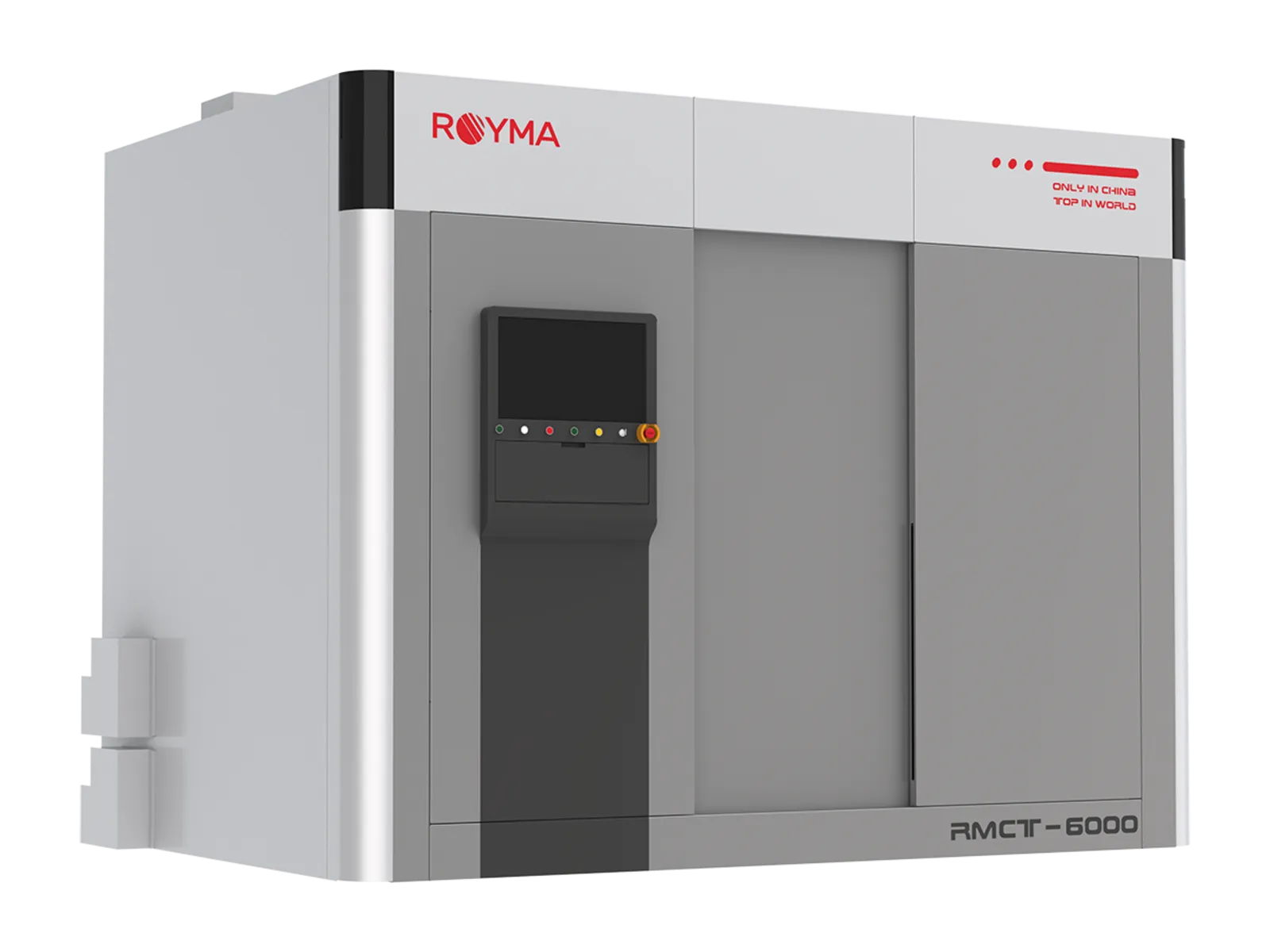
Royma offers X-ray and CT for museums, conservation laboratories and archaeological institutes. The desktop RMCT1000 scans small objects, coins, textiles and organic finds at 4 µm resolution on a laboratory bench; the RMCT2000 resolves the finest structures in nanofocus mode. Larger objects, sculptures and soil blocks are scanned on the RMCT4000 and, for dense or large pieces, on the RMCT6000 with its 450 or 600 kV mini-focus source and samples up to ø 1000 × 1500 mm.
The volume shows how an object was made and what it contains: joints, dowels and cores in a sculpture, the casting technique of a bronze, earlier repairs and fixings, and the contents of a closed vessel or a block-lifted find, all without touching the surface. Conservators gain a record of the object before treatment and a way to plan the intervention.
Because the data set is three-dimensional, virtual cuts and renderings are made in any plane afterwards, and the same object can be scanned again after conservation to document the change.
In practice
Document first, then conserve.
Cracks, cavities, corrosion and earlier restorations are documented in the volume before conservation work begins, so the treatment plan starts from the real condition of the object. Block-lifted finds are examined in their soil matrix, and the excavation of the block is planned from the CT data.
Renderings and virtual cuts serve publication and exhibition as well as conservation. Royma Europe carries out test scans on objects before a system is specified, and advises on handling and mounting for fragile pieces.
For institutions without their own system, Royma Europe scans objects as a service in its application laboratory, with the object handled and mounted according to the conservator's instructions and the data returned in standard formats for the institution's own software.
Questions
Questions about CT for archaeology.
- Is CT safe for fragile or organic objects?
- The object is not touched during the scan and is mounted in a support of the laboratory’s choice. Exposure is set to the material; organic objects are scanned at low energy on the RMCT1000 or RMCT2000.
- Can a closed vessel or a soil block be examined?
- Yes. The contents and the internal structure are shown in the CT volume, and the excavation or opening is planned from the data.
- Which system for large or dense objects?
- The RMCT4000 for objects up to ø 575 × 830 mm and the RMCT6000, with its 450 or 600 kV mini-focus source, for bronzes, stone and objects up to ø 1000 × 1500 mm.
- What does the laboratory receive after the scan?
- The full volume data set, renderings and virtual cuts in any plane, and a report of the findings; the data can be revisited after conservation.